The Impossible Job of Thanking Your Barista

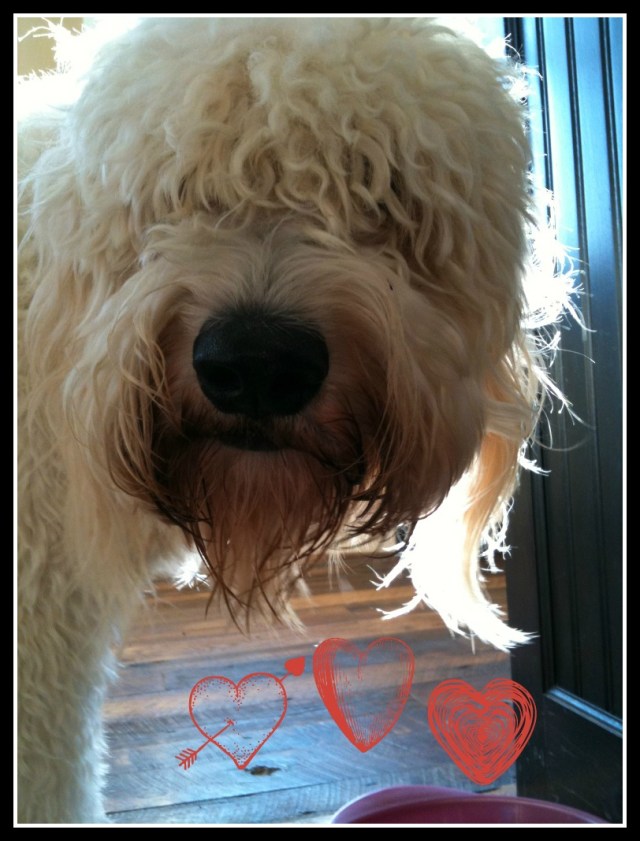
I’m sure you’re up to your earballs in leftover turkey right about now. That is, if you overestimated how much turkey only you and one other person plus your dog could wolf down in two days’ time. Or maybe you were like me and decided that come hell or high water, you were going to make five gallons of bone broth with that carcass, and needed all 14 pounds of the turkey you ordered last year—pre-Covid—when you found that super-duper farm that said they would raise the bird to your specifications.
For Pete’s sake, that farmer read Harry Potter to your poultry from the the end of June onward. And he played it Vivaldi before bedtime. And he regularly fed it a posh protein diet of sautéed shredded lizard sprinkled with dried grasshopper powder, delicately placed atop a bed of tender shaved young bulbs. On special occasions, old Tom got a soup pureed with snails, slugs, and worms, swirled with a small dusting of sand and gravel for grit to aid with his proper digestion.

Yeah, you really can’t go back on someone’s efforts like that.

So, a lot may have changed from last year’s big food festival, and this year’s attendance level might have been reduced to only those you regularly sneeze on and don’t apologize to. But the one thing that has remained a steady and dependable guest at all of our tables is the necessary presence of gratitude.

We are reminded of it everywhere. We may be feeling rather down in the dumps about not scarfing down half of Aunt Marge’s Rum Chiffon Pie this year, but all we need do is read the headlines to remind ourselves about how many Aunt Marge’s are no longer around to make such a treat.

It’s an effortless endeavor to see that we are not alone in our suffering or sadness, and there are countless others who may be experiencing greater loss than we are.

It reminds me a little bit of growing up in Wisconsin. One was not allowed to indulge in the wholly justifiable complaining about how cold one was. Because it was not a personal experience. Everyone was cold. Chin up. Shut up. Get up. And get on with it.

But back to the gratitude.

Typically, I am the type of person who nearly falls on my knees in appreciation for anyone who’s kind enough to even hold open a door for me, let alone ease some significant burden. And I’m annoyingly delighted to see every sunrise or sunset, every flower bloom, or bird in flight. I get an absolute thrill even hearing my dog belch as I’m confidently assured he loved the meal I prepared for him so much that he snarfed it down too quickly and ate a bucket of indigestible air.

Yeah, uber grateful person.

So, it came as a bit of a head-scratcher when I recently heard an interview with A.J. Jacobs, an author I adore, as he spoke about his latest book, Thanks a Thousand.

Knowing how seriously he plunged into his research when writing something new—like The Year of Living Biblically: One Man’s Humble Quest to Follow the Bible as Literally as Possible, where he took it upon himself to obey the divine suggestions to “Love thy neighbor,” “Be fruitful and multiply,” and of course, “Stone adulterers,” I had no doubt his newest book would be as intricately studied.

Mr. Jacobs takes the elemental concept of exploring how gratitude can enrich our lives and produce countless experiences where we are more thoughtful and grounded by using his morning cup of coffee as the chosen object of his determined efforts to thank everyone who was a part of making it materialize before him.

Seems rather effortless really, but in truth … it is impossible.

From the clerk who rang up your bag of beans, one can move to the roaster, the trucker, the airline, the packagers, the bean harvester, the farmer, the mechanic who fixed the tractor the farmer needed to use to plant the beans. The manufacturer of the tractor, the countless companies that created the parts for that manufacturer, the construction workers who built those plants, the people who made lunch for those construction workers. I think you get my point. The list is exhaustive.

Jacobs speaks to and visits miners and biologists, goatherds and smugglers, and that travel required trucks and airplanes, boats and motorcycles. He realizes the myriad materials that went into the making of that sip—the rubber, wood, steel, and bat guano. His assessment is that it required thousands of human beings collaborating across dozens of countries.

To make one cup of coffee.

In an era when we feel so disconnected from one another, A.J. Jacobs illuminates the miracle of human cooperation. Togetherness. Relationships. Synergy. Support.

It is not unlike the super-human efforts that have gone into the research and development of one of many vaccines our planet is desperately and impatiently waiting upon. We have discovered that it takes the whole world to help the whole world.

And as the world and all its many inhabitants do what they can to heal our planet and our people, let’s take a moment to realize just how connected we really, truly are and need to be.

This year we may be apart. But it is so that next year and for countless years following we can be together, closer than we’ve ever been before, because gratitude became the cream in our coffee.

~Shelley

For the time being, the blog is closed to comments, but if you enjoyed it, maybe pass it on to someone else. Email it, Facebook it, or print it out and make new wallpaper for the bathroom. If it moves you, show it some love and share. Cheers!

Don’t forget to check out what’s cookin’ in the Scullery and what we all gossiped about down in the pub. Or check out last month’s post and catch up.
Knock, Knock. Who’s There? History. And a Bunch of Dead People Who Want In.

I have heard countless tales about the mystical days of the year when there is a thinning—an opening of the usually bolted door between the living and the dead.

I find these legends to be magnetic and irresistible from both the historical perspective in that apparently our folk tales of old are still captivating enough to be passed on and hold great longevity, and also because I’d love to know who is the guy who lifts the latch on that door and allows it to creak open with invitation.

Sure, it could be the wind, but seriously, that’s way too many years of perfectly timed coincidence, right?

The chunk of consecutive days known as Halloween or Samhain (the ancient Celtic festival), All Saints Day, and All Souls Day are three celebrations and commemorations when, beginning October 31st  through November 2nd, many people’s thoughts are steeped in leaf blowers, credit card bills showing an overabundance of pumpkin spiced lattes, and fear. (That second one causes the third one to bloom when the pounds run high and the dollars run low.)

Samhain marked the end of all things warm and sun-related, and the beginning of the coffin making season. The Celts marked their new year beginning on November 1st, and likely didn’t bother with any yearly census until spring, as people dropped like flies during the cold winter months.

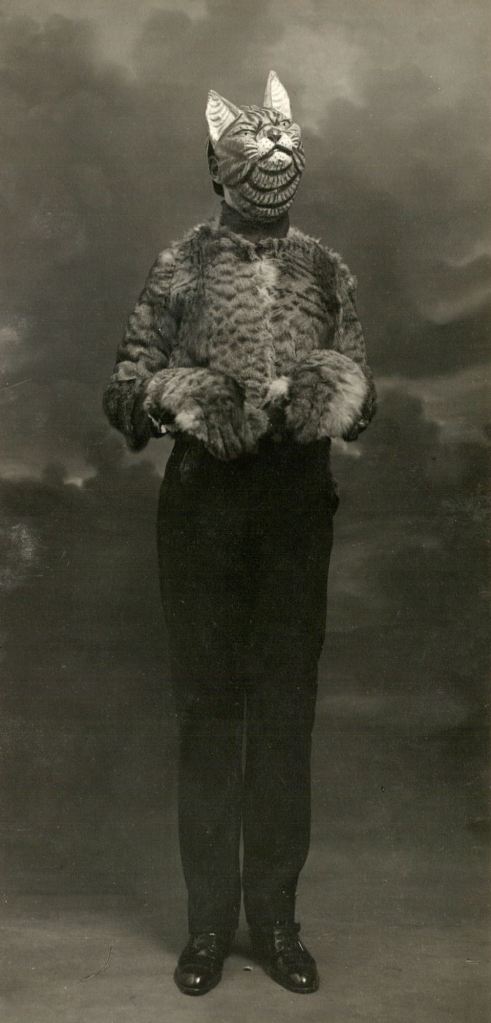
I’ve always preferred Samhain to Halloween, or All Hallows Eve, as typically the costumes are better. Yes, they both incorporate some semblance of gathering—festive or otherwise—but the getups worn in days of old were truly meant to ward off ghosts. And what spirit wouldn’t turn tail and leave when peeking in to join the massive bonfire only to see animals being sacrificed within it and the party guests all draped in a few extra severed heads and blood-soaked skins.

Begone, you destructive wraiths! Leave our crops be or we shall threaten you with … Wait, hey, Bob? What are we threatening these dead people with?

Let’s say MORE DEATH, Dick, okay? Can we all agree that ‘more death’ is our menacing chant?

I could be wrong, but even with this action and logic I’m going to vote that the chilling and shuddery-inducing specters are more inclined to back off from a party such as this than one where folks are dressed in chintzy polyester tat from Walmart.

Personally, I think donning a naughty bar maid getup is likely more of an invitation rather than a deterrent to any lonely ghoul.

And although we may be in the thick of a ghastly pandemic at present, the fear felt by the living souls 2000 years ago was more of a “the entire village” type of dread as there really existed no “K” modeled economy forecast where when things went pear-shaped, some folks did well, and some felt they were in the middle of another version of The Hunger Games.

Back then, once you’d run out of firewood by dismantling all the furniture and eventually the homesteading structure itself, it was back to living surrounded by an outcropping of rocks and prickly gorse bushes instead of moving in with family. Because by that time, you may have actually eaten the only family that had a couch you could surf.

Once the Romans conquered a good chunk of the Celt’s turf, the new residents began to feel some softening of celebrations might be in order.

Maybe instead of scaring away all the dead, you folks should switch it out and commemorate them? We’ve come across far fewer demands for the sacrifice of livestock if we simply recite a few of their shinier earthly moments.

The request may have been a resounding NO! from the remaining Celts, which might have made the Romans give in a smidge and answer with:

Fine, fine, we’ll stretch the whole thing out a bit—keep your “frightnight”, but then word from corporate is that we make the next day one for the dearly departed, and then follow that up with a nod to old Pomona. She’s the Roman goddess of fruit and trees, and who doesn’t love bobbing for apples, eh?

Despite the church’s efforts to delicately rosy up and combine the fetes of the past, these people were surrounded by fearful imagery most of the time, whether it was a lack of food in the cupboard, the rush of pillaging neighbors who didn’t ascribe to that whole “do not covet thy neighbor’s anything, or simply waking up next to a spouse with three working teeth and a penchant for wild onions. Times were scary.

So why would they wish to set aside three whole days to mingle with the dead and focus on all that fear—all the prophesying of bad crops to come, or another mouth to feed, or hearing the soothsayer reveal that your mother-in-law was soon to move in?

Maybe for the same reason that we ride rollercoasters, or go through haunted houses, or check in with our 401ks.

Likely those actions are simply to show ourselves that it can always get worse, and we should be grateful for the now.  

As for me, I’m still left wondering if that doorman is really more of a Beefeater type of position or a “someone’s left the barn door open again” kind of deal, as perhaps the latter would explain precisely why it gets so damn cold in the winter, eh?

~Shelley

For the time being, the blog is closed to comments, but if you enjoyed it, maybe pass it on to someone else. Email it, Facebook it, or print it out and make new wallpaper for the bathroom. If it moves you, show it some love and share. Cheers!

Don’t forget to check out what’s cookin’ in the Scullery and what we all gossiped about down in the pub. Or check out last month’s post and catch up.

Perseverance: It’s a Rover, It’s an Attitude, and It’s the Illusion Your Internet is not Possessed

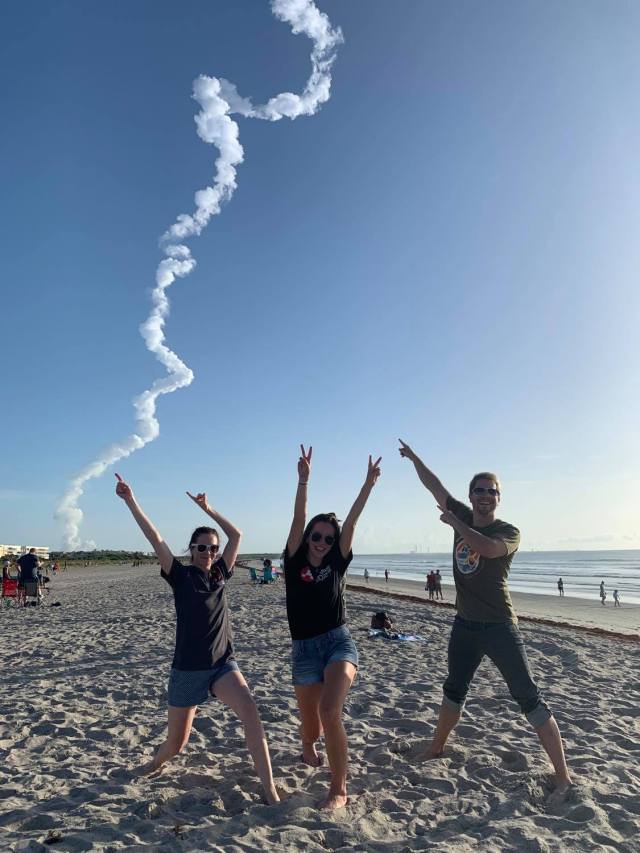
I’d been waiting for years—literally years for this day. The momentous achievement of mankind’s drive plus Mother Nature’s good nature blending to successfully explode off this planet with the intent to mine another for life.

I know that sounds a little cryptic, so I’ll rephrase.

I would confidently say I can nail the moment my firstborn knew she wanted to be part of a team of people who propelled objects off the planet with the hope of landing them on any other orb.

It was somewhere in between her firm commitment to understand propulsion by studying toys as she repeatedly chucked them out of her crib and the choice of her first words: air pane.

Her eyes continually scanned the sky—spotting the tiniest of specks—following their trajectory until out of view.

The schooling from then till now far surpassed my levels of understanding somewhere around upper middle school—and I could spot the trend as early as fifth grade when she’d apparently announced to her math teacher that the curriculum was far too easy and please place her in an advanced class.

Her teacher, of course, called to inquire as to whether I had pushed my child to this task, and I replied saying, “Nope. My math goals for my kids are to make sure they can balance their checkbooks, not work on Wall Street.”

It was always shocking to walk into Chloe’s bedroom and see the walls plastered and the floor scattered with the computational hieroglyphics of what I believed belonged either on the cell walls of a madman, or the stone walls of a caveman.

Apparently, they were assignments.

They could have been blueprint ciphers for a big bank robbery she was involved in. I couldn’t tell.

Eventually, she figured out the entrance code to a crackerjack college and thereafter received the passwords that landed her a position on that long ago dreamed of team.

Chloe now works for her personal godhead of all space agencies and has been preparing for the very same day I’ve been preparing for, only with a little bit more effort.

I’d say we’re nearly matched on enthusiasm though.

NASA’s new rover—an adorable little fella named Perseverance—could have easily been first prototyped by Pixar, as it has been anthropomorphized with heartfelt fervor and will no doubt have Disney releasing some new full-length animation about its hero’s journey shortly.

Perseverance was scheduled to leave our Earth around July 17, 2020, but due to some last minute touch-ups with makeup, and NASA’s motherly stuffing a few more bits in the little guy’s backpack before stepping his first foot onto the Atlas V bus, his launch date was delayed until July 30th.

The preparations leading up to this date went something like this:

Chloe: Would you like to come to the launch site next year in July as my guest?

Me: Hella yes.

Chloe: Mother, I am about to be issued your guest pass for launch date. It’s five months out yet. Do you still want to come?

Me: Hella yes.

Chloe: Mother, this Covid thing may be a concern. There’s been some talk about a possible spread. Are you still in?

Me: Umm … yeah, mostly.

Chloe: Mother? Have you made a will? I know it’s only May, but I can’t wait to see you.

Me: Wait. What?

Chloe: Launch is just two weeks away, and I’m guessing you’re not coming.

Me: Chloe, I desperately want to, but I’ve been told that in Florida, the moment you disembark the plane, you’re handed a flyer—not for timeshares anymore, but cemetery plots. I’m thinking I’m going to have to Zoomcall into NASA on this one, kiddo.

Chloe: I understand. I’ll make sure you’ve got the right links and time schedule.

Me: Yippy!

Let’s skip forward to the big day, links and lineup of launch window noted.

Twenty minutes before launch:

Chloe: Remember, the most important and crucial stages to watch are—of course—lift off, then less than a minute later the rocket has to make it through Max-Q—that’s critical, and then, about an hour after that, comes Atlas V’s rocket separation from the spacecraft. Got it?

Me: You betcha!

Laptop open, ready, live. Countdown in progress. T-minus 50 seconds … (I hold my breath and watch the clock.) 10… 9… 8… (insert squeals of excitement) 5 … 4 … 3 … (aaaand—stream on screen freezes)

Me: Wait! NOOOO!!! (tosses computer, scrambles for smartphone, howls while relinking link)

NASA: With the RD-180 main engine running, the Atlas V vehicle successfully rises vertically away from Complex 41 at Cape Canaveral Air Force Station, Florida.

Me: Dammit! Dammmm– I stop mid-blubber, as I suddenly recall there’s no time for tears. It’s Max-Q time!

Me: (Link is relinked. Eyes are peeled on rocket. Fingers are crossed for all good luck gods to see.)

NASA: T + 43 …

Me: (stream on smartphone screen freezes) gasp … looks to sky … shouts obscenity

NASA: (hourglass stops spinning and smartphone reconnects) The Atlas V rocket passed through the region of maximum dynamic pressure during ascent through the lower atmosphere.

Me: YOU HAVE GOT TO BE KIDDING ME!

I cry a little. Shower. Make coffee. Reboot both screens and sit through countless minutes of perky NASA spokespeople who remind me of what I’ve missed and, of course, highlight what’s to come.

I place laptop and phone a small distance away from me in case I’m the one with bad juju energy. But it doesn’t matter …

NASA Perky People: After accelerating the Mars 2020 spacecraft to a velocity of 24,785 mph, or about 11 kilometers per second, relative to Earth, the Centaur upper stage shut down its engine and is now re-orienting itself into the proper position for separation of the Mars 2020 payload.

Me: NASA, stop with the teaser trailer, and why don’t you admit what’s really gonna happen on my side of the screen.

NASA: It is now T + 57 minutes and the Centaur—

Me: (both screens freeze) Bingo.

I knew it. I knew it would happen. It was no surprise.

Chloe texted twenty minutes later with words that sounded like she was skipping across a playground with a Popsicle in each hand.

Chloe: Did you see it? Did you see iiiiit?!!

Me: Success! Congratulations, kiddo! How utterly thrilling, right?

Chloe: I’ve been waiting my whole life for this day. Wasn’t it amazing to see it live?

Me: Well …

Chloe: Oh, sorry, Mom. You know what I mean. I got to see it live, but seeing the livestream is only a couple seconds delayed. It’s still amazing, yes?

Me: It’s so amazing.

Chloe: And at least you’re safe at home. I’m sure it was the right choice.

Me: *sob*

~Shelley

For the time being, the blog is closed to comments, but if you enjoyed it, maybe pass it on to someone else. Email it, Facebook it, or print it out and make new wallpaper for the bathroom. If it moves you, show it some love and share. Cheers!

Don’t forget to check out what’s cookin’ in the Scullery and what we all gossiped about down in the pub. Or check out last month’s post and catch up.

Why We Need to Acquire a Taste for Flavor

As a writer, there is nothing I love more than putting on my Alice in Wonderland frock and purposefully tumbling down the rabbit hole of research.

With the exception of getting published, of course.

And seeing my hound gaze sincerely into my eyes over breakfast to convey that I’ve never looked more well-rested and attractive, and would I mind passing him three strips of bacon?

But the research part of necessary investigative sleuth work is wholly engrossing and powerfully magnetic.

It also turns me into an insufferable enthusiast—a gasbag of chatter with the sole purpose of spreading knowledge that may be of no interest to any other human.

I tend to forget this bit in between my research projects where I launch headlong into overzealous lectures about poisonous plants that can make you puke, or the new studies supporting the worthiness of fecal transplants to support flailing microbiomes, or the debate as to whether cereal is actually soup.

Currently, I am reviewing countless books, scientific journals, and ongoing analysis all relating to the topic of flavor. And thus far, I have been tentatively directing all conversations I have with breathing humans toward this subject.

Good morning, this is Betty from Allstate insurance. How may I direct your call?

“Hiya, Betty! I’ve got a quick question about my homeowner’s policy, but first, can I ask you how it is that you’d define the vague and rudimentary term we call ‘flavor?’”

Or …

Ma’am? This fish in your grocery cart might not be as fresh as we’d want to sell you. How about I get a stock boy to switch it out for you?

“You betcha. And it appears your orthonasal olfaction skills are exceptional, whereas I probably wouldn’t have caught anything off until I was neck deep in the whole retronasal olfaction process—one occurring during sniffing and the other only when eating and drinking.”

Or …

“Hello, Chloe, this is your mom calling. I know you’re busy, but I was just wondering if you happen to know how many different odor compounds there are in the world?”

I don’t care.

Clearly, I could use an audience who chooses to be there with me, or maybe just a therapist who listens because I pay him.

Either way, it is impossible to simply let such riveting information go unshared. Who wouldn’t want to know that circumstances affect our flavor perceptions—such as the discovery that fans attending hockey games and involved in a study, determined that ice cream tasted sweeter after their team won and more sour after they lost?

Or why hold back that researchers are collecting impressive data that shows babies have an affinity for foods if their mothers eat it while they are pregnant with said baby. Hoping your tiny tyke will be asking for seconds on that bowlful of mustard greens? Start gestationally shoveling it in, Popeye.

And by no means could I refuse to relay the critical science utilized by the food and healthcare industries where phantom aromas are helping to control high blood pressure. Has your doctor diagnosed you with hypertension and mandated you to a low sodium diet? Food industry scientists are your new superheroes, having discovered that by adding phantom aromas of ham into certain foods, your brain will believe it’s still indulging in that five-pound salt lick your tongue so badly craves.

Super interesting info, right?

You’re welcome.

One of the reasons I’m so engaged in this particular research currently is that we, as human beings, have a frustratingly underdeveloped ability to articulate concepts related to flavor. As flavor is an umbrella term that houses both taste and aroma—taste having far more descriptive language than smell—it repeatedly highlights how we struggle with a narrative for our experiences.

How do you profile the unique difference between cheddar cheese and aged Gouda? One’s cheesier than the other? What words describe these cheeses?

What is the flavor of red snapper? It’s not fishy. And stating it is of firm texture does not illustrate flavor.

Flavor is more than a sensory experience as well, as it turns on the light in our brain’s limbic system and rummages around to immediately connect that taste and smell to an emotion and memory.

Why is that when a plate of beautifully sautéed halibut is placed beneath your nose, you’re immediately flooded with the desperate optimism of a marriage proposal?

I’ll tell you why. Because you, like me, used to come home after school and whip up a batch of Gorton’s Fish Sticks and watch an episode of Gilligan’s Island where your only wish was for the professor to finally ask Mary Ann to marry him so they could make perky, adorable, and intelligent babies to populate the island they’d be stuck on forever.

No? Was it just me? Well, still it proves my point. And as an aside, I learned more about GDP, the spectrum of human usefulness, and estate planning from this sitcom than I did from Econ 101.

The scents and tastes we experience are intricately interconnected to a vast array of our bodies’ systems, and we’re too intelligent a species to answer the question – how does it taste? – with an answer like: pretty good or it doesn’t suck.

So come on, people, let’s ban together and lend a helping hand to further science. Take a swig of some Drink Me potion and start fishing around for some helpful language.

Articulation is key.

I’ve told my dog that a thousand times and refuse to pass the bacon until he can “use his words.”

~Shelley

For the time being, the blog is closed to comments, but if you enjoyed it, maybe pass it on to someone else. Email it, Facebook it, or print it out and make new wallpaper for the bathroom. If it moves you, show it some love and share. Cheers!

Don’t forget to check out what’s cookin’ in the Scullery and what we all gossiped about down in the pub. Or check out last month’s post and catch up.
Hatching Happiness through Husbandry

When I was a kid, the word stress had a few specific meanings:

  • “Please stress the notes in your right hand, as there you’ll find the melody.” (I played the piano.)
  • “Hey! Get off the tire swing, dummy. Dad said it can’t hold two people cuz it’ll stress the branch and make it snap!” (I played with my brother.)
  • “I cannot stress enough how you must never eat any mushroom on the forest floor that looks like it is cherry flavored.” (I played being a Pioneer Princess when going for woodland walks with an elderly neighbor.)

As an adult, the word stress emits a different tone. It effectively and uncomfortably punctuates the feelings of anxiety, burden, anguish, and fatigue.

The CDC stresses the importance of social distancing and face masks for the safety of you and your neighbor.

The long-ignored stresses of systemic racism are experiencing a resurgence of interest and commitment from more than just those who experience it.

The constraints of quarantine have placed an abundance of stress upon the economy where many manufacturers may never find recovery. The toilet paper industry, however, is finding their lack of stress is primarily experienced by grocery shore shelves meant to hold their product.

The fact remains, we are inundated with strain and tension, and must find new ways to counteract the effects of them.

It reminds me of a story I once heard when attending a synagogue service long ago. The rabbi—an elderly man who missed his calling on the stage—delivered his sermon with this dramatic narrative.


Once upon a time, there lived a Jewish man—miserable in his existence and driven to alter it. He traveled to his village rabbi, and once seated face to face, began to unload the cause of his unhappiness.

“You wouldn’t believe the tumult, Rabbi. My wife, she heckles me all day long. My daughters bicker between themselves. I cannot find a moment’s peace. I need your advice. What should I do?”

The rabbi nodded sagely, and looking him straight in the eye, said, “Do you have a cow?”

“Yes,” said the miserable man.

“Then go home. Bring that cow into your house and come back to see me in the morning.”

The miserable man was confused, but did not resist, and carried out the rabbi’s advice. The next morning, the miserable man returned to the rabbi, looking woeful and confused.

“Rabbi, I think there must be some mistake. I took your advice, brought the cow into the house, and had the worst night ever. My wife still heckled, my daughters still bickered, and now as well, the cow has made a mess all over the floor and the whole house stinks. I’m very unhappy. What do I do?”

The rabbi nodded sagely, looked him straight in the eye, and said, “It’s as I thought. Do you have chickens?”

“‘Yes,” said the miserable man.

“Then go home. Bring those chickens into your house with the cow and come back to see me in the morning.”

The miserable man, again confused, carried out the rabbi’s advice. The next morning, he returned to the rabbi, dismal and depressed.

“Rabbi, again, I feel there must be an error, as I took your advice with the chickens, and last night was even worse than I could have imagined. My wife with her heckling, my daughters—such bickering, the cow and her mess, and the chickens—well, the chickens clucked and crowed all night. There are feathers everywhere, and I have been pecked more times than I’ve had hot dinners. I’m terribly unhappy. What do I do?”

The rabbi placed his hand upon the miserable man’s clasped grip. “Do you have any sheep?”

The man nodded, hope filling his face.

“Bring the sheep in with the cow and the chickens and see me in the morning.”

The following morning, the man returned, beleaguered, exhausted, and bleak. “Rabbi, the heckling, bickering, cow’s mess, and chicken clucking had the added awfulness of a night filled with unending bleating. No one can sleep, there is no room, and the place is in shambles!”

The rabbi walked the miserable man to the door, his arm around his shoulder. “There is one last thing you must do. Have you any pigs?”

The miserable man reeled back, his faith in the rabbi’s wisdom beginning to wane on his face. But he did as was advised and returned again the next day.

The man slumped into a chair across from the rabbi, put his head on the table, and announced his defeat. “It was worse than worse. More horrid than anyone could imagine, Rabbi. The heckling, bickering, cow’s mess, clucking, and bleating was joined by a ruckus so unbelievable. The pigs ran amuck of everything—toppling furniture, eating our food, bringing in flies. I cannot stand it anymore. I give up.”

The rabbi put his hands on the miserable man’s shoulders and said, “Go home. Remove all the animals from your house and give it a good cleaning. Come to me tomorrow.”

The following morning, the miserable man appeared at the rabbi’s door looking … happy.

“I don’t know what you did, Rabbi, but I feel wonderful! My wife is so pleased with our house free of animals. My daughters smiled gayly at breakfast. And I slept peacefully, at last. I cannot thank you enough.”

The rabbi walked the contented man to the door and smiled broadly as he said, “There is nothing so simple as to live through misfortune to illuminate one’s blessings. The real point is to not lose sight of them from the beginning.”


And I think it’s easy to state unequivocally, that life at the moment feels like we’re living within chaos. But, as has been asserted by the greatest of philosophers, from within crises we experience fog, upheaval, turmoil, and finally clarity.

The stresses we put on systems are often purposeful and meant to reveal where we should place our greatest attention and energy.

I think with dedication, sacrifice, and perseverance, we will increase that which is right at our fingertips and has been the entire time … peace.

~Shelley

For the time being, the blog is closed to comments, but if you enjoyed it, maybe pass it on to someone else. Email it, Facebook it, or print it out and make new wallpaper for the bathroom. If it moves you, show it some love and share. Cheers!

Don’t forget to check out what’s cookin’ in the Scullery and what we all gossiped about down in the pub. Or check out last month’s post and catch up.