And How Did That Make You Feel?

Writing a book involves a different recipe of elements for every author. Some folks must write down their story in a longhand format—

120915longhand

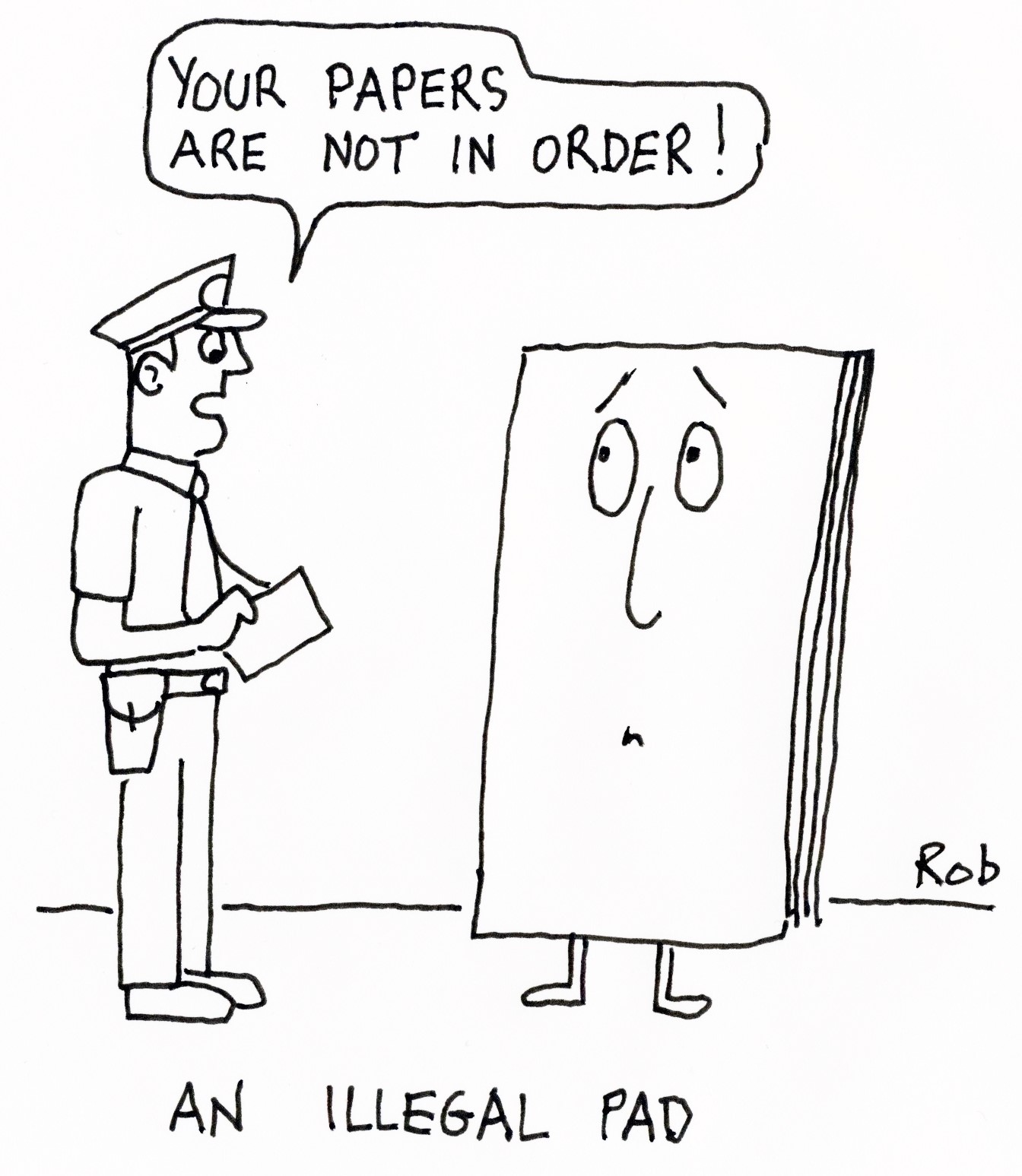
handwritten on legal pads,

120915illegalpad

printed in their super-secret diary, or even pieced together on a dry erase storyboard complete with enough 3M sticky note details to plaster a full-scale papier-mâché replica of the Empire State building.

Some of us owe trees a massive apology letter.

120915sorry

Others are all about their space. They need absolute quiet—or absolute chaos. They need three screens, two dictionaries and a bottle of scotch at their elbow. Maybe they can only write on rainy days so the gloom of a gray day won’t allow the sun to reflect an enticing sparkle across their monitor and make them yearn for two hours of mowing the lawn. Or maybe the rule is that they only write on days when there’s a full moon, their desk is clean and they’ve just found a copper penny.

And some people need deadlines: a class, a critique group, an editor sending threatening daily emails asking where the damn pages are.

It’s a unique process and it’s individual to each writer.

Me?

I just need a therapist.

Seriously. That’s it. My go-to guy.

The way I see it, who knows more about the human condition and all of our frailties than someone who studies the Diagnostic and Statistical Manual of Mental Disorders for a living? Someone who can gossip at the water cooler about some miserable bloke with serious issues while legally define the gossip as “work?”

Yeah, I figure I’ve hit pay dirt.

So our conversations usually go something like this:

Him: So, what’s on your mind today?

Me: Ugh. How long have we got? An hour? Fifty minutes? Where’d you put your clock? You moved your clock. Did you paint in here?

Him: *silence*

Me: Yep. Smells like fresh paint. I wonder if paint fumes are something that kids can manipulate into drug experiences these days. Are you finding kids are coming into therapy with an addiction to paint fumes? Have you been treating anyone for that lately?

Him: Are you concerned that one of your kids may be struggling with an addiction?

Me: No. Well, who knows, right? There are a million different kinds of addictions so chances are they’ve got a few, but let’s just say they were—no wait, let’s not make it an addiction. Let’s say one of them was struggling with a transgender issue. Yeah. Much more interesting.

Him: Are one of your kids struggling with a transgender issue?

Me: No, but for the sake of this hour today, let’s just say that they are. Tell me everything about it. Wait. Let me get a pen.

120915therapy

That’s my method.

It doesn’t work for everyone, but I’m not everyone. Unless you were to see the notes my therapist keeps on me, in which case, you might conclude I’ve got some multiple personality disorder. Seeing him each week and discussing “other people’s issues” might have my therapist thumbing through the back pages of his manual in an attempt to discover just how many times a brain can fracture and how many identities it can support.

Chances are, I’m adding a little zing to his day by not coming in with the same ol same ol “I’m just not feeling fulfilled and I think my kids hate me” routine.

That’s what I tell myself anyway.

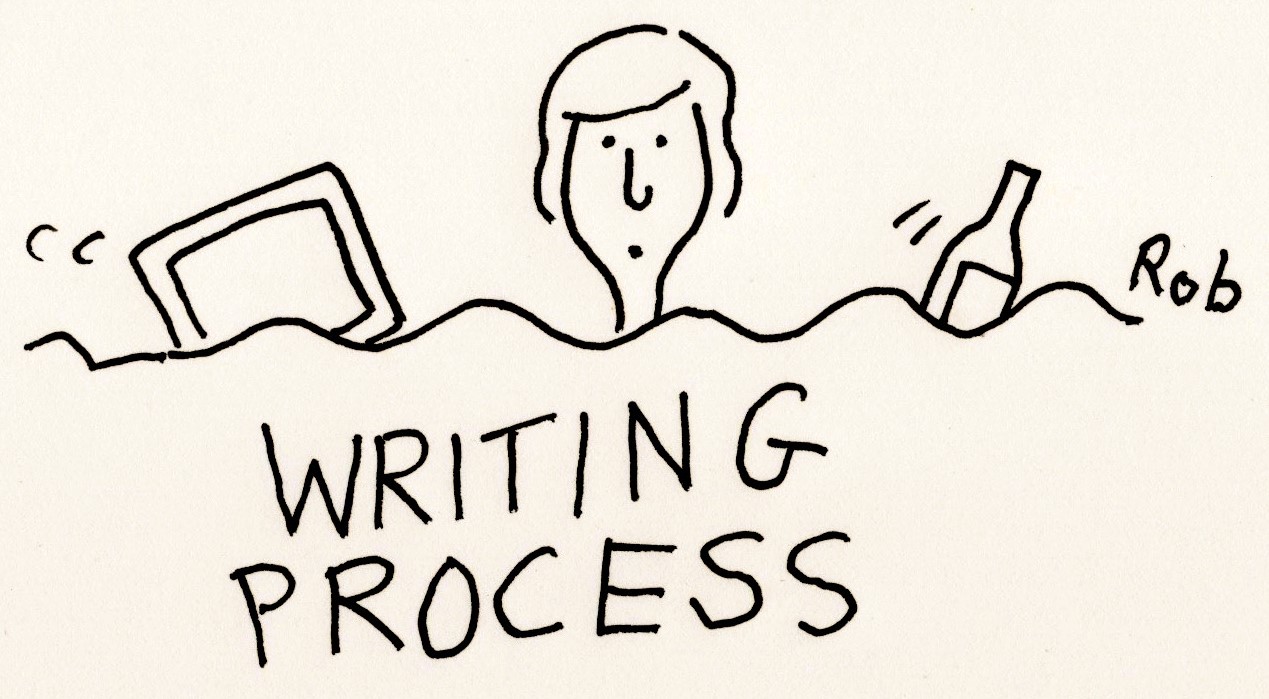
But my point is—and I pray I have a point—I’m neck deep in the writing process again and it’s a time frame that usually puts me into a time warp. I bury myself so far down rabbit holes with research that I usually come out the other side and discover I’ve come up for air in the middle of a Chinese chicken coop.

120915process

Yeah, deep.

It is incredibly easy for me to lose my “self” within the process and sharply disturbing to have phone calls like this one:

Daughter: Mom? Where have you been? Are you okay?

Me: Fine. What’s up?

Daughter: Seriously? I’ve phoned you four times in the last three hours and sent you eight texts. Did you not get any of my messages?

Me: Wait—I have a phone? Red flag. That would never happen in 18th century Scotland. Thanks for the anachronistic heads up.

120915touche

Daughter: *sigh* I need to talk to you about whether or not I can come home for Thanksgiving.

Me: Wait—hold on—I totally forgot about the beef tallow on the stove. I’ve seriously got to get cracking on those tapers. I’m turning meat scraps into Christmas candles. God, the holidays are going to be fun this year.

Daughter: Never mind. *click*

If you’re going to be a successful writer, you really have to dive into your characters. You have to live their lives, have their problems, embrace fleas.

Well, at least for this book.

You have to apologize to your friends and family for being unreachable, unpredictable and for effusing the personal odor of barn animals.

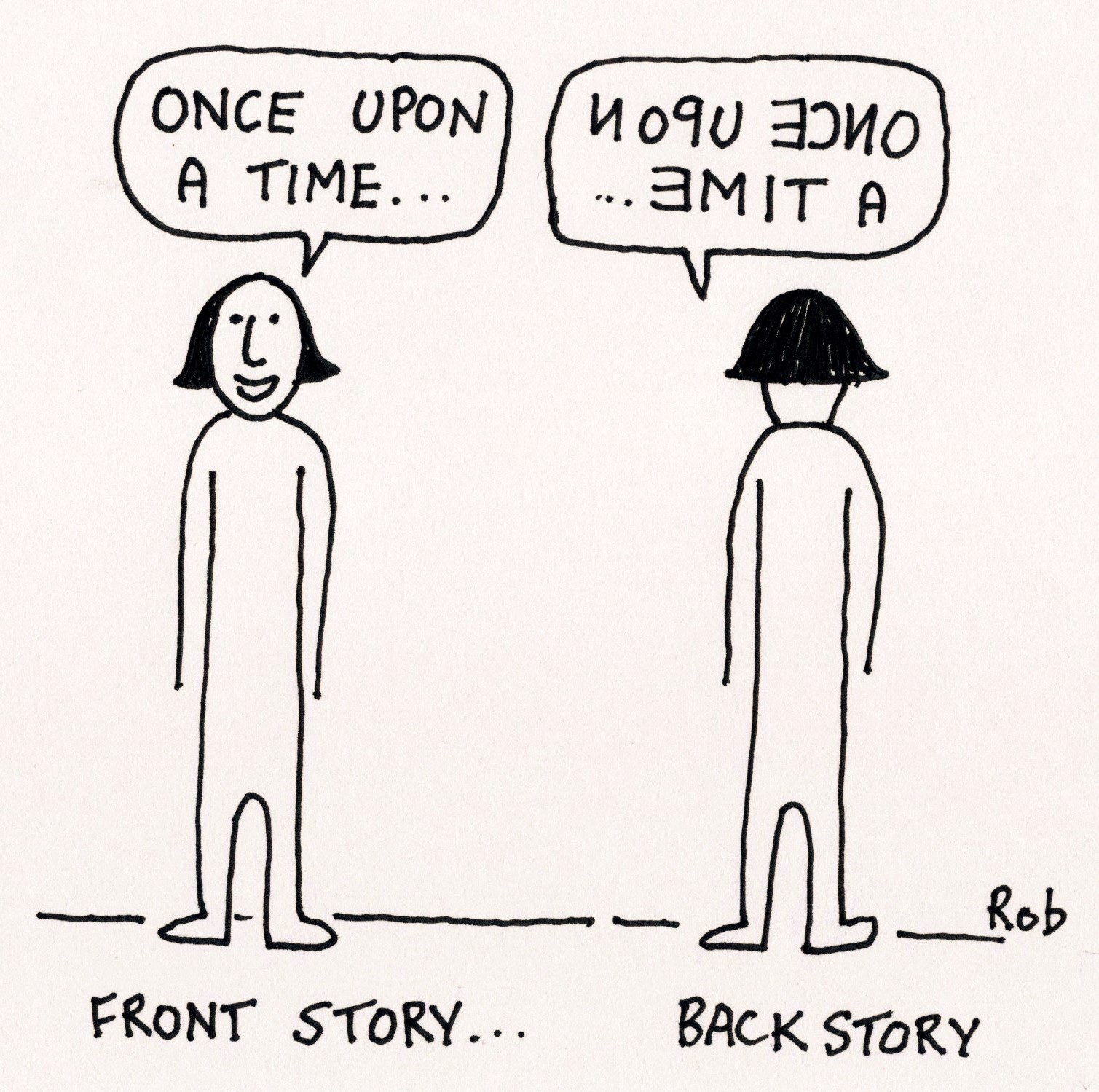
And you also need a therapist. Someone who will help you dig deeply into the problems of “others,” someone who will help you discover the backstory and motivation of your characters,

120915backstory

and someone whose water cooler conversations will be highly sought after purely for the opportunity to shake their heads and mutter, “If only Freud could see us now.”

He’s my doyen, my muse, and my research assistant.

I owe him a lot.

Seriously.

He’s gotten, like, all of my royalties.

~Shelley

*ROBIN GOTT’s NEW POST* (click) 

Don’t forget to check out what we’re cookin’ in the Scullery and what we all talked about down in the pub. Plus, you can see more of Robin Gott‘s humor–all from the only pen carved from a human funny bone.


Big Words, Clean Teeth & Jell-O for Brains: a Lovely Recipe for Life

Sue Archer: Editor, blogger, and master of not only English but nearly every science fiction and fantasy language to boot. Linguistic skills more impressive than the blinking and confusing cockpit lights of the Starship Enterprise. Have you need of a first-class editor to guide your manuscript to lofty heights of high-class quality? Sue’s your gal. Hungering for a few golden writing tips to sharpen your blog, your essays, your work-related writing skills? Look no further.

Peruse Sue’s new editorial site and her blog site too—and I do mean peruse in the truest sense of the term. DIG DEEP. There is pure gold in them there words.

And if you feel like putting your feet up for a spell, see her fine interviewing skills down below. It was a pleasure and an honor to work with this lovely, talented lady.

A woman with cosmic talent, and universal appeal.

~~~~~~~~~~~~~~~

Conversation Corner with Shelley Sackier

Today I am holding a special edition of Conversation Corner with children’s author and humour blogger Shelley Sackier on her blog Peak Perspective. You don’t want to miss my first ever illustrated interview! Please come visit and read about our conversation on using large words, writing for children, how to be funny, and the advantages of having Jell-O for brains.


When I first read your About page, back when I was lucky enough to have discovered your blog, I was immediately struck by two things: your wonderful sense of humour and your mastery of large words. I’d like to know who I can thank for this. Who were your influences? And how did you land upon your clear calling as a humour writer?

Well, firstly, Sue, a prodigious “thank you” for the laudatory commendation.

290815laudatory

Yuck. That sounded awful. And pretentious. And so not me. Except for the part in quotes. I am grateful to have the opportunity to speak with you, as I’ve learned a great deal from reading your essays and articles. But however it was you came to find me, I really should send the contact person a batch of cookies as a show of affection with my bountiful thanks.

And as far as where you can send your thank you card? My hero, Peter Mark Roget—British physician, natural theologian and lexicographer. I think I read somewhere that he liked line dancing as well.
290815line

He wrote a little bestseller back in 1805, which unfortunately for his followers and admiring fan base was not widely published until 1852. But still, it now exists in all its glory. When I discovered there was a book To Facilitate the Expression of Ideas and Assist in Literary Composition I nearly had a small rapturous fit of delight. I was hooked. His thesaurus is my daily drug. Every morning I swallow my Omega 3s, glucosamine, and a page of Roget’s work.

Sadly, you may find that Peter is slow with his correspondence. I’m still waiting to hear back from him on a small addition I was hoping he might include in the next release, but you know busy authors, right?

And then there’s my dad. He was really funny whilst I was growing up. He’s still really funny. And much quicker with his exchange of letters.

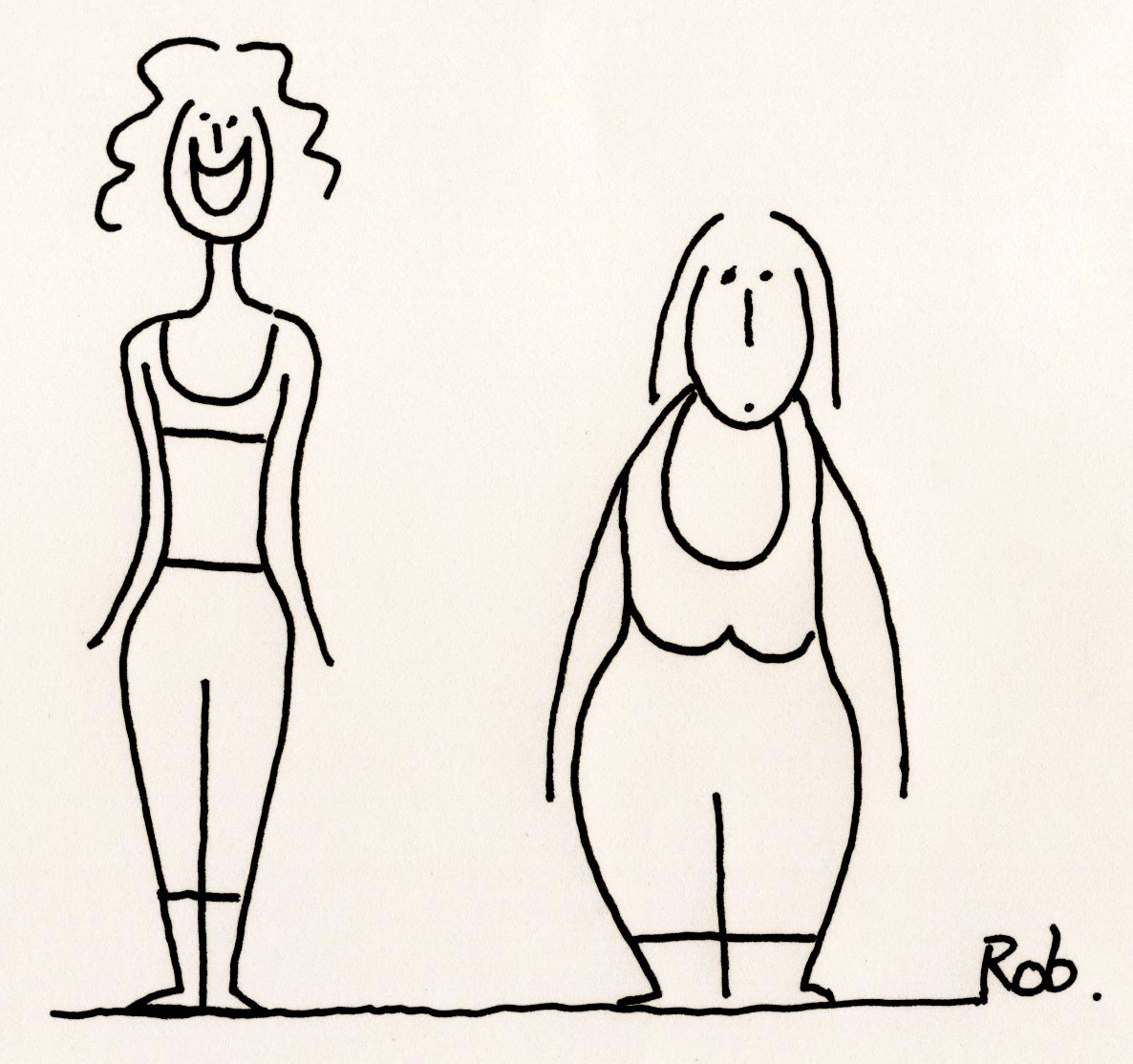
The classification of a humor writer was something I just morphed into—like how incredibly fit and attractive people slowly mutate into pudgy, sagging, middle-aged folks who are exhausted, underpaid and overworked. It creeps up on you.

290815shapes

And also, making my children laugh was a good way to surreptitiously see their teeth and discover whether or not they’d brushed before bedtime.

Humor and hygiene go together like Punch and Judy. Well, that might not be a fitting example as they had a fairly contentious relationship. I think you get my point though.

290815pandj

I definitely get your point. I have found humour goes a long way in persuading kidlets to do all those “good for you” things. Also hugs. And maybe a stern look here or there. Did you find your experiences with persuading your children influenced how you wrote Dear Opl, which has its own “good for you” message about food?

I’m a firm believer in ‘time’ as the best teacher. I’ve always regarded the space between my children’s ears as a swampy, murky mess that was not going to fully settle into its final state until somewhere around the age of 25. It’s like Jell-O. I’ve got to keep tossing in as many parental pearls as I can right now with the hopes that later they’ll be viewed as worthy by the owner.

290815bigwords

That said, my mom drove home the message to me that all those bits of brilliance—the ones that immediately create the teenage phenomena of eyeball rolling, exaggerated sighing and door slamming—will be eureka moments that my children will have on their own and claim 100% ownership to. They will never—and I repeat the word never—remember that you were the one to give them the awesome info.

The best way to keep yourself sane in those moments of unacknowledged revelation is to simply chuckle at how well you worded it the first time around. Although a small part of me wants to leap up on the kitchen table, point a finger at their super smug dispositions and scream, “You’re totally plagiarizing my words from back in 2002 when you were 7!”

I’m guessing it would not go down as a bonding moment for any of us.

But yes, my “Dear Opl” messages are simply a spiffed up version of my “at home” message. And, as becomes clear in the book, not all of those messages are well-received or hit the mark, so I’m sure you can deduce the level of success I’ve had with my offspring.

Thankfully, neither one of them is close to 25 as of yet. I’ve got a ways to go before the Jell-O sets.

All power to you tossing in those pearls of wisdom, Shelley! I’ve certainly enjoyed the thoughts and observations that you’ve posted through your blog. 🙂  Could you share a little more about the message in your book, and how this message is expressed through the story?

One of the most important messages I wanted the book to convey was that there are no magic pills. Life is full of problems and we all have to handle them.

Pushing them away, ignoring them, or pretending they don’t exist creates an unruly monster that ends up taking over. The world is full of advice—both good and bad—but the filter system for determining which is which lies only within ourselves. People have stopped listening to the wisdom of their bodies and minds. It’s there. Buried beneath a boatload of advertising and social pressures to conform, but still there.

The book’s main character, Opl, does a lot of avoiding, rejecting and misguided judging. She’s in an emotionally fragile place as a result of the death of her father and living in a space that no one has been able to help her move through. So she muscles her way around on her own and continues down a path of unhealthy choices because they’re filled with instant gratification. The problem is solved and soothed for now. Kids struggle with looking more than 30 seconds in front of them, and this isn’t due to a lack of intelligence, it’s because of brain development. They don’t have all the tools yet and our job as parents and educators is to hand them those tools and explain the manual. At this point, a lot of it looks like it’s written in Klingon.

The grownups who care for Opl finally clue in to what’s happening and begin to nudge her into a place of growth—the inner kind, which is where she struggled with a deficit. Her grandfather helps her discover real food. Her yoga teacher illuminates Opl’s inner insight. And Rudy, an injured Iraqi vet who works at the food pantry, teaches her about desire and regret. These people are not there to “fix” her problems, but rather draw back the curtain so the chance for self-discovery is available.

As much as I support parents who see the need for their kids to fall down and scrape their knee, they still need the occasional Band-Aid. They are not tiny adults. It’s a fine line we walk in order to keep balance. You give them a little and you step back and watch. ‘Trial and Error’ parenting.

290815tiny

 Speaking of not being tiny adults…I imagine that writing for a younger audience must have required a very different approach from writing your blog. What types of things did you have to think about when writing your book, as opposed to blogging? And do you have any tips for readers who are looking at writing for younger readers?

In my experience, blogging and book writing are two different beasts, and employ two different skill sets.

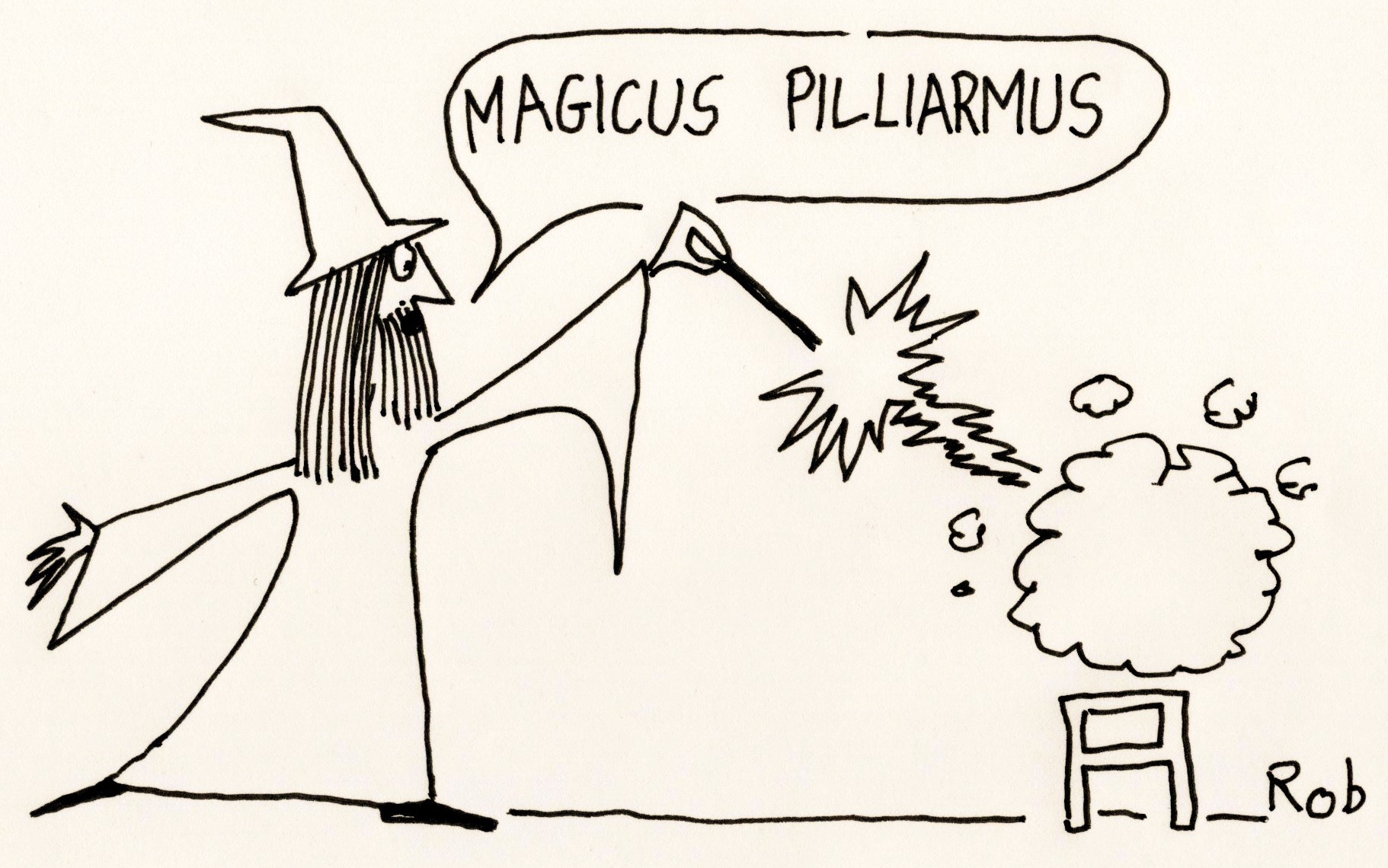
I set about blogging to work on something very specific. I wanted to create the ability to demand my muse show up for work every single day. If my butt is in my chair, there had better be some bit of sparkle hovering about in the air that I can reach up and grab by the fistful.

290815magicus

It was about developing accountability for a job and not relying upon the tired trope of Ah well, writer’s block again. What can you do?

It ain’t easy. But I don’t think true accomplishment is meant to be.

Writing a novel is broken down into blissful and not so blissful sections. There is no feeling in the world to me quite like figuring out a scene, or the dialogue, or discovering the heart of a character and what they bring to the book. Writing Story is a method of therapy and psychoanalysis to me. I discover bits of ancient truth within the unfolding of this scrap of someone’s life. I’m nothing more than a translator of a highlighted piece of the human puzzle.

Okay, so that’s the purple prose flowery blissful part for me. Creativity explodes everywhere.

The not so blissful sections are the deadlines, the edits, the rejections of your edits, the people who don’t understand why you won’t just DO SOMETHING WITH YOUR LIFE. There’s a lot of that and more. You’ll know pretty soon if you’re cut out for this kind of life pursuit or not.

Advice for those looking to write for young readers? Be youthful. Be goofy. Go back in time—really try to propel yourself to those feelings, those situations, that mindset. The way you looked at life was so different. Again, kids are not just tiny adults. They’re a whole different animal, with claws and sharpened teeth, and fairy wings and magic wands. Bring back your ten-year-old self and give her a massive welcome home hug.

My ten-year-old self wanted to write fantasy novels, so I can definitely relate to the fairy wings and magic wands. 🙂 I think as adult writers we need to maintain that level of creativity and imagination if we want come up with compelling ideas and relatable characters. Like the character of G-pa from your story. How did he appear on the scene? (I must admit that G-pa was my favourite character, he kept cracking me right up.)

Every time I wrote a scene including G-pa, I just wanted to squish the guy. His gruff exterior masked a deep love for his grandkids and I loved making him struggle with the desire to show it.

He was effortless to create, and as I’ve come to discover within my books, I apparently always find the need to have a “G-pa” character in it. He’s mostly based on my dad so I’m sure it’s a Freudian thing.

As a side note, I’m a big believer in not having adults solve problems for kids in stories, but I’m also very aware of the fact that knowledgeable, loving, and encouraging adults are an absolute necessity for guidance. I believe the ability to problem solve is one of the greatest skills we can teach our kids, and G-pa felt like a character that could help contribute to that accomplishment.

Okay, now for the final and most important question. What is your favourite homemade dish? (And have your kids mastered the art of making it yet?)

Thankfully, neither of them have taken a strong liking to all those earthy Polish dishes I had to eat while growing up—the ones fortified with blood to try to cure the pastiness out of my people or all the ground up bits that got shoved into intestinal casings and called ‘links you’ll love, I promise—now eat.’

I think we all adore Fajita Nite. Whenever I picked up the vibes that someone’s day was going to hell in a handbasket, it was the one meal that never ceased to lift their spirits. Maybe it’s the fact that I line up all the ‘fill your tortilla with these options’ on the counter and to them it’s like visiting the buffet bar at Applebee’s, or that the house smells like an old Tex-Mex cantina for the next 24 hours, or it could be because I drag the mechanical bull out into the living room for after dinner entertainment—I’m not sure, but we all love it.

And no. I’m thinking it’ll be a while before they decide to make it themselves, if ever. Some recipes just don’t taste of home if you don’t make it there.

No, they don’t! Thanks for inviting me into your blogging home today, Shelley. I’ve enjoyed chatting with you. And all the best to you with your book!

*ROBIN GOTT’s NEW POST* (click)

Don’t forget to check out what we’re cookin’ in the Scullery and what we all talked about down in the pub. Plus, you can see more of Robin Gott‘s humor–all from the only pen carved from a human funny bone.

Getting to Know You–er, Me

Today I’m offering up an interview I did with author/blogger/human extraordinaire, Jan Wissmar I had a marvelous time with Jan and I do hope you’ll check out her work. She’s just released her third book, Willful Avoidance and continues to impress me with being someone whose work on this earth is beyond inspirational.

I hope you enjoy.

~Shelley

~~~~~~~~~~~~~~~~~~~

Meet Shelley Sackier, author, blogger, pilot, and whisky drinker


Today I’m delighted to welcome Shelley Sackier, creator of the always entertaining blog – Peak Perspective – and author of the upcoming teen novel DEAR OPL.

Shelley Sackier headshots 3 (1704x2272)JTT: Hey Shelley – thanks for being here!  First of all, how did you come up with the title Peak Perspective?

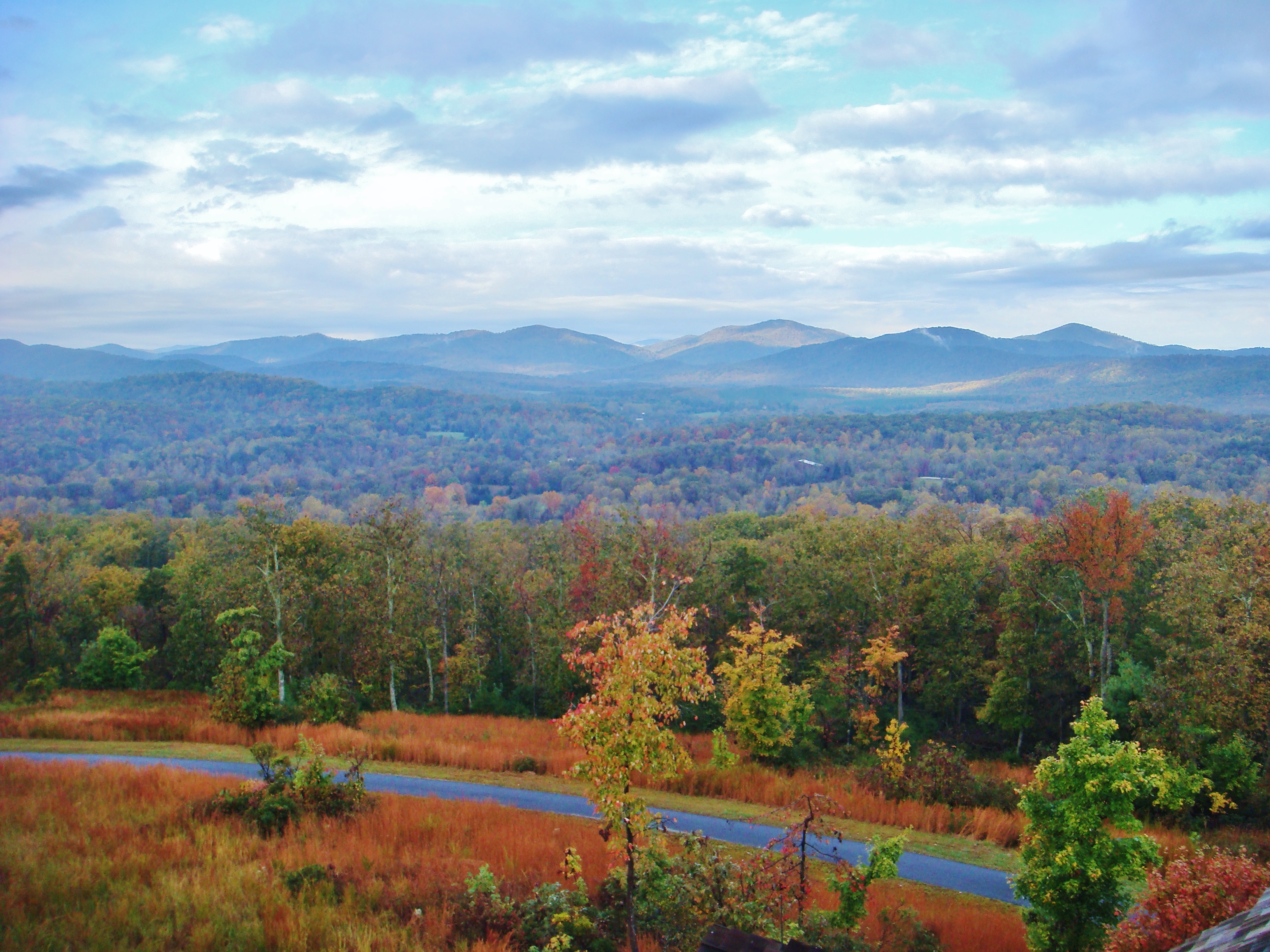
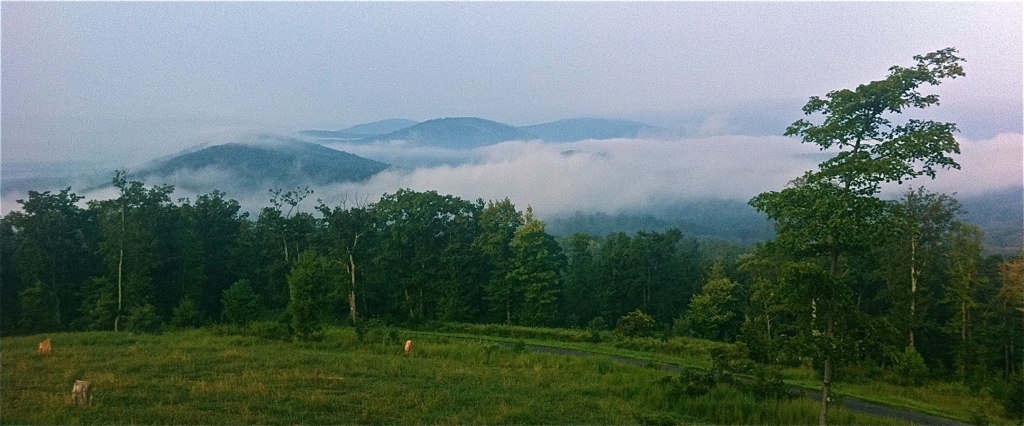
SS: The blog title and tagline (Peak Perspective: trying to climb out of the fog.) was born of both sight and wordplay. I live in the Blue Ridge Mountains. I’m surrounded by mountains, and living on top of one gives me a spectacular view, except when it doesn’t. Some days I’m fogged in, occasionally I’m above the cloud base, but most days, the scene is truly breathtaking and allows me a view of three counties. As I’m always staring out one window or another for a moment of inspiration, rare is the day when something remarkable does not flit across my field of vision. It’s a little like living on the live set of a National Geographic special filmed by the WeatherChannel. Some days are truly spectacular. Some days are scary. A couple have made me think that it might be time to start doing bladder strengthening exercises.

Bruichladdic view

JTT: Please send me a copy of those bladder strengthening exercises ’cause I need ’em.  With those spectacular views there must be a lot of artists living in your part of the world, however your illustrator, Robin Gott (who I just adore), is from England, but lives in Sweden. How did you find him?

040813nakedartist (729x800)

SS: I love the fact that Rob and I live in separate countries and have worked together for a few years but have never met. There’s something so remarkably “today’s business world” about that. We were introduced years ago and had almost worked together on a different project. The blog venture just sort of spilled out of that serendipitous past.

Robin is one of those incredibly multi-talented folks whose craft spills over into myriad dimensions. Animation, acting, drawing, writing. His work is prolific and I feel so fortunate to have this time to be creative with him. I’ve discovered what it feels like to work with someone whose brain will likely be preserved for science.

However long the blogging business keeps us artistically woven together, I can think of so many other missions I’d like the two of us to take a crack at. Time will tell. Fingers are crossed. Pencils are sharpened.

JTT:  Blogging does provide us with some interesting bedfellows doesn’t it? Well, “bedfellows” isn’t exactly the right term.  Collaborators?  Gads, that’s not much better… (Help me troops!)

Haggis Mascarade.JPG (592x800)

Speaking of blogging, I’ve been in awe of your blog for a long time.  I wonder if you’d mind sharing some blogging tips and tricks (or is it top secret)?  When did you start?  How did you build your incredibly supportive audience?

SS: Well, firstly, thank you for saying so. That’s the hope of so many writers. Tips and tricks? I think when searching for success, you have to be willing to stick your neck out and embrace vulnerability. And more importantly, you have to be willing to fail. I’ve gotten pretty good at kicking myself out of safe mode, skinning both knees, and then moving on. There’s so much to learn when you make mistakes. Being careful does not make a terribly exciting life. And I crave challenge.

And chocolate. I’m not sure which I devour more.

Also, it might be extraordinarily helpful to have a roadmap—a story grid of sorts. Why are you blogging? Is it to share wedding photos? A trip to Dubai? Your time in the slammer? It helps to understand what the end goal is.

My blogging exploits began strictly to develop a skill I thought I needed improvement with: churning out about 1000 words on demand. Butt in chair, holler to muse, write the damn essay, finish the laundry. When you devote attention to something every day, bit by bit the challenge begins to feel increasingly more comfortable. Welcome to the new normal.

And building the supportive audience comes from caring about what people have to say. There are so many wildly interesting people hon our planet, each with a distinctive voice, and I find it’s like a funky orchestral hot mess when I engage with everyone. It’s a huge time investment, and I’m not looking forward to the approaching day when I’ll have to back off because of other writing commitments—ones from people who rightfully require more time as they’re actually paying me to produce work for them, but I’m hoping to have at least created a community of folks who can carry on the conversation if I’m not there and who have made worthy friendships simply from having had my blog site be one of their playgrounds.

Jonathan Sackier Blue Ridge Mountains Virginia

JTT: “Butt in chair, holler to muse, write the damn essay,” AMEN!  However, you did manage to finish DEAR OPL while building your audience.  Congrats on that major accomplishment.  You deserve chocolate, lots of chocolate.  However, I know from reading DEAR OPL (and your blog) that keeping our food safe, nutritious, and delicious are important issues for you.  I don’t want to spoil the plot for potential readers but the main character, Opl, achieves some amazing things while battling a common bugaboo for many of us growing up:  a negative self-image.  At first, I have to admit I thought the mother was cruel – always making a big issue of Opl’s understandable weight gain (I mean, she had just lost her father!) but by the end you managed to make the mother sympathetic.  I think it had to do with Opl’s growing awareness that staying healthy need not be an arduous task. Was personal experience a motivation for writing DEAR OPL?

SS: I’ve had food issues for as long as I can recall, but not of the same type as Opl. Working in the entertainment industry, one gets judged every which way but Sunday. It was brutal. Costumes were measured and remeasured on a regular schedule. If you lost a pound of sweat during a show from exertion, and your waistband had a half an inch worth of give in it, it was immediately sewed shut. I survived for years believing that fat was an enemy and that tinned peas and Cream of Wheat was my culinary lot in life. This was horrifically rough for someone who grew up in a family full of caterers, butchers and chefs. I loved food, but was growing deprived of it because of the fearful sweeping top to bottom gaze of an unforgiving producer or director.

I was determined to raise kids with the idea of nutrition as the motivating factor for meal planning and food education, and didn’t want to create battles over what we put into our mouths. I knew that as my kids grew more independent I’d lose a lot of sway over what they’d choose to eat. I knew that layering information in small bite-sized chunks, and also walking the talk would be important components of whether or not they’d remember what I’d said, and did as I advised. Most importantly, indulging in food they knew I’d cringe at was a given, but I hoped that they’d pay attention to the correlation between what they ate and how they felt afterward. I know the pressures teens feel when trying to fit in with their friends, and that sometimes food issues become friendship issues. In my mind, I believed they’d make diet related decisions based on things other than what the crowd was doing. They learned to love good food, and cooking it themselves has been an ongoing joyful discovery.

Chloe & Gabe 2015

JTT: You’re absolutely right – making decisions about what to eat based on how you will feel afterwards is far wiser than going along with the crowd but it is a hard lesson for many teens to learn. On your blog you’re doing an excellent job of what marketeers call “building your platform” and so I’m fairly confident this next question will be an easy one for you to answer, please describe Dear Opl’s ideal reader?  Who are you talking to?  What do you hope your readers take away from the book?

SS: DEAR OPL’s reading base is 9 to 13 year-olds, but I’m hoping to attract kids who may be in a similar situation as Opl—those who feel like they are either losing the battle with weight, or who feel they can’t stop eating junk food, but mostly kids who are desperately looking for a bit of direction. People don’t realize how much help is available and often give up before they’ve even begun.

My hope is that Opl will be able to communicate that there is no “magic pill,” and that change can happen in small ways creating a ‘ripple effect’ result. If we expect to shift the habits of a lifetime, it requires education, support, patience and faith that you’re doing the right thing. (And a big dose of self-forgiveness when you don’t.) I feel that all too often we’re told by marketers to expect a miracle with their slick headline promises and mind-blowingly easy overnight success. I’m hoping to impart some savviness.

JTT:  You’re absolutely right – kids are bombarded by “lose weight overnight” ploys which are nothing by quackery.  It’s horrible.  Speaking of horrible, now onto the uncomfortable revelations part of the interview (just pretend I’m Barbara Walters).  You’re a pilot and whiskey drinker, is that correct?  Were you also abducted by aliens like other famous whiskey-drinking pilot drinkers, i.e., Harrison Ford? Please describe some close encounters of the third kind you’ve had while soaring through the clouds.Runway 23

SS: Really? Ford was abducted?

JTT:  Whoops, sorry.  I was actually thinking of the drunken pilot from the movie The Fourth of July who saves the world from aliens somewhat in retaliation for having been abducted by them.

SS:  Whew! Well, flying and whisky have been a significant part of my life. Although, never at the same time for obvious reasons.

When I was first learning to fly, in order to gather up the courage to do solo night flying (which is incredibly different than daytime flying — you’ve got nothing but a Lite-Brite board beneath you), I’d belt out the theme song to Raiders of the Lost Arc while doing finals and preparing to land the aircraft. You have to acquire a fair amount of knowledge to fly and land an airplane, and a teensy bit more if you’re hoping to reuse it. But you also have to have an element of faith.

Also, having an old codger for a flying examiner was a lucky thing. I think he realized as I was taking my final physical flight exam that I was still too timid with the aircraft. He took the controls and shouted, “You’ve got to manhandle this beast, lass! And you’ve got to know its limitations.” He then proceeded to pull the plane up into a stall and let her do a falling leaf pattern for about twenty seconds before recovering the aircraft. He kept shouting, “She ain’t gonna break!”

I think that was about as close to an extra-terrestrial experience as I’ve ever had, as I was fairly sure I’d not live to walk on our planet again.

JTT:  I love that story! My father was a pilot – he loved to get me into his little Cessna and do loop-de-loos! Okay, here’s your chance for revenge, what embarrassing question would you like to ask me?

SS: You see, this is where I’m struggling, Jan. I can find absolutely no dirt on you. You are one of the most impressive humans I’ve come to know. Your work with the Make a Wish foundation, your advocacy for at risk foster children, your books, your blog, your terrific writing … yeah, I got nothin’.

But maybe I’ll ask the question readers are probably wondering: how is it that you can get so much done in one lifetime?

JTT: How sweet of you but perhaps I should have given you my ex-husband’s phone number!

Whenever I hear the theme song from Raiders, I’ll think of you soaring across the skies! Thanks so much for taking the time to talk with me and best wishes for the release!

092314_DearOpl_HiRes (533x800)DEAR OPL is available for pre-ordering on Amazon here.  The official release date is August 4, 2015.  Here’s my review:

DEAR OPL is an honest look at a problem facing many young teens: negative self-image brought on by weight gain.  It is also the story of a family trying to move ahead after a catastrophic loss.  Young OPL (who left the “A” off her name in order to lose weight – LOL!) has a talent that surprises her classmates and gives her an outlet for the ongoing frustrations of teen life.  She can blog!  In fact, she rapidly becomes a blogging superhero as “Dear Opl” dispelling advice to her peers with an abundance of sass and wit. But she doesn’t just make a difference in her own life, she reaches out and makes a difference in the lives of others.

*ROBIN GOTT’s NEW POST* (click)

Don’t forget to check out what we’re cookin’ in the Scullery and what we all talked about down in the pub. Plus, you can see more of Robin Gott‘s humor–all from the only pen carved from a human funny bone.

Why I Wrote DEAR OPL- Part 3

*Just a heads up to anyone new joining in–this is not my typical blog post. This is part 3 of 3 for a speech I’m preparing and posting here to get valuable feedback from my community. If you’re interested in joining in (and I so hope you are), and you’ve not had a chance to read part 1 or part 2, you might want to take a minute and get up to speed. I look forward to hearing what all of you have to say. It’s been wonderfully worthy and I thank every one of you for participating!

~~~~~~~~~~~~

What’s in it?

My sleuthing skills progressed mainly because food labels showed up. I, therefore, became obsessed in the pursuit of truth.

I suspected that every chemical I read about on the back of a label and couldn’t identify was likely a form of my mother’s mystery ingredients I had to watch out for. The only things I could trust were foods in their whole and original form. And this is something our culture has removed us from in a very real and dangerous way.

Despite the higher intake of calories our western diets have had us adopt, people are hungry. We’re now eating more food than ever before yet we are starving for nutrients. And our bodies are yelling this fact out to us. We’re struggling with these massive and overwhelming cravings for sugar. It’s hugely addictive and, in fact, scientists have discovered rats will work eight times harder to get sugar than they will to get cocaine.

Our average modern diet is not providing the nourishment our bodies require for good health, and because of it, our bodies are suffering more insulin spikes than a tumultuous day on Wall Street.

Basically, we have an abundance of calories, but a shortfall of nutrients.

200615OPL_07 (800x688)

I find this to be a shocking and saddening state of affairs, but if you really want to hear something that will make the hair on your arms stand at attention, here’s another one of those eye-popping statistics I alluded to earlier:

The junk food industry spends about 2 billion dollars each year targeting children. One scary study found that elementary school kids in the US see an average of 254 ads from McDonalds each year. That’s just ONE company in the sea of junk food advertisers.

We are bombarded with media that dictates what we want, what we’re hungry for, what gadgets we’re desperate for, what will make us feel better about ourselves or our lives, and what will make us feel included. Kids are targeted even more so. It’s overwhelming and impossible for them to filter these messages or tune them out, and certainly challenging for them to interpret and identify how they are being subtly and not so subtly molded.

The Center for Disease Control and Prevention (CDC) now reports that around 12.5 million children aged 2-19 are obese. And this is just in the United States. If you need a mental graphic that’s like nearly the entire population of Ecuador. Or how about this one—two Norways, a Botswana and a Liechtenstein. Worldwide we’re talking about 43 million kids.

Yeah, it’s a lot. Want to elevate that arm fur another notch? The World Health Organization estimates that in ten years time, over 70 million children globally will be obese. And the most alarming surprise? This number is only including children from ages 0 to 5.

Diet-related diseases are the biggest killers of human life. Far bigger than homicides, pneumonia, kidney disease, accidents. The statistics are jaw-dropping.

It makes you want to curl up in a ball and cry, doesn’t it?

Or we can do something about it.

Which brings us to part three: WHAT WE NEED TO DO

  1. No amount of exercise is going to help you run away from a bad diet.

It’s really hard to recognize a problem despite the fact that it’s growing right beneath our noses, mostly because it’s a fairly unremarkable one. It’s not remarkable because it’s become common.

We all know what a dog looks like—we’ve seen gobs of them over our lifetimes. Nothing too terribly novel about them from where we stand right now. But if you woke up one morning and looked outside and spotted a flying dog, you’d probably pause and really study the anomaly … until it wasn’t an anomaly anymore. If pretty soon flying dogs were just as common as grass, then no one would really see them any longer—which is what’s happening to our children. Obesity is becoming familiar, universal and ordinary.

We can’t let this happen.

It would be incredibly easy to point our extra pointy fingers at the heart of the problem and scream until we’re blue in the face at the food industry, but if any of you have ever been in a situation where you’ve pointed a finger at someone and assigned blame, I think you’ll also recall that they didn’t offer either an apology or any available energy to help solve the problem.

200615OPL_08 (800x497)

More often than not they likely gave you back a pointy finger as well—but facing in a different direction.

A better response might be to ask for partnership in problem-solving. Our food industries can make food education a top priority of their business. Help us shop, teach us how to cook, educate us about nutrition. A win for the public and a win for their public relations. Besides, it does not show savvy business sense to kill off your clientele.

The restaurant and fast food industry, which have gotten us hooked on the drugs of sugar, fat and salt by targeting consumers with their persuasive advertisements, could help wean us off the extremely unhealthful amounts or face selective taxation from the government to cover the skyrocketing cost of healthcare: a price tag we do not have the funds to pay for—no matter how far down into our purses we dig.

We need restrictions on advertising to children who are most vulnerable to these campaigns. We need to protect those who are easy targets, those who are easily preyed upon, and those who will suffer the most.

Also, we need clearer food labeling—something effortless and easy so consumers don’t have to count grams or teaspoons. Something like the proposed traffic light label. Red for high amounts of free sugars, yellow for mid-level amounts, and green for Go for it, buddy.

We need to give our children LIFE SKILLS. We can get in the kitchen with them, teach them the basics of nutrition, educate them about what they’re eating and illuminate how it will affect the quality and longevity of their lives. It’s going to be a mess, but maybe architects can start making kitchens with a large drain in the middle of the floor which allow you to just hose down the walls after a family cooking session.

We can take the necessary steps to overhaul our school lunch programs. And currently there are a handful of people pioneering over this treacherous landscape who are battling to illustrate that pizza should not be considered a vegetable because it has tomato sauce in it. Jamie Oliver, Alice Waters, Michelle Obama and Congressman Tim Ryan from Ohio are a few familiar names who have been leading the campaigns of international food revolutions. These folks are shaking up government nutritional guidelines, instituting school garden programs, and proposing ways to lower the cost of healthy foods so that everyone can have access to them. But there are many, many more who are working in the trenches and mostly without a spotlight. We need to support their endeavors.

The three points I’ve highlighted—what we eat, what we know, and what we need to do—are part of a task we need to knuckle down and get busy with—a cause we need to champion. Creating and implementing solutions to our epidemic is a global obligation we owe ourselves, our children and our children’s children.

We need a new killer slogan for our planet. Not a slogan that will kill us.

I propose something like this:

Planet Earth: come for the food, stay for the fun, die when you’re old.

200615OPL_09 (786x800)


~Shelley

Don’t forget to check out what we’re cookin’ in the Scullery and what we all talked about down in the pub. Plus, you can see more of Robin Gott‘s humor–all from the only pen carved from a human funny bone.
Why I Wrote DEAR OPL – Part 2

*Just a heads up to anyone new joining in–this is not my typical blog post. This is part 2 of 3 for a speech I’m preparing and posting here to get valuable feedback from my community. If you’re interested in joining in (and I so hope you are), and you’ve not had a chance to read part 1, you might want to take a minute and get up to speed. I look forward to hearing what all of you have to say. It’s been wonderfully worthy thus far!


So let’s talk about the foul new four letter word that’s getting everyone’s knickers in a twist. FOOD.

200615OPL_03 (800x550)

  1. Our diets have drastically changed form.

So much of what we used to eat was effortlessly easy to identify by using just one word to define it. For instance: apples, squash, lentils, pecans. Now the western diet needs a box to hold it in and a label to identify it with.

And a chemist to explain it all.

More and more of our food is processed with ingredients that most seventh graders aren’t allowed to handle without plastic gloves, eye goggles, and their science teacher in attendance.

200615OPL_04 (800x493)

It happened right beneath our noses. As a kid, I remember the hour and a half of effort I’d spend making brownies—with the flour, the sugar, the butter and eggs, the melting of chocolate and the teaspoons of vanilla and salt and baking powder.

And almost overnight it changed. It’s now a box, an egg, and a splash of water from the faucet. It’s not so much food anymore as it is a magic trick no one really wants to pull back the curtain on and spoil. Not that spoiling is a concern any longer as science has discovered a way to make a fast food hamburger last longer than most marriages.

Reading nutrition labels dredges up memories of your earliest years in grammar school sounding out new words, and also proves to be a test of one’s grasp of the periodic table of elements. Plus, the regulations for what our government is allowing into our food and defining as food live in a murky swamp and are up for interpretation by the manufacturer.

That old line stating That which does not kill us makes us stronger, should be revised to read:

That which does not kill us—because the studies are ongoing and are being run by folks who have a vested interest in their financial outcome—does not kill us …yet.

Our food of today is no longer the food it was fifty years ago. A carrot is no longer a carrot. Chicken is no longer chicken. A hunk of fabulous chocolate cake is still the sugar bomb it was no matter how long ago it was made, but that’s sort of a given and doesn’t serve my argument. And my point is that things have changed in the food growing world.

Our soils are depleted. Our animals are fed unnatural food meant to supersize them toward growth and not health. We’ve introduced pesticides into our diets that have altered our endocrine function. We’ve stripped off minerals and vitamins from processed foods and have replaced them with chemicals meant to give them a shelf life rivaling the length of time it would take you to read off the numerical value of pi.

Some of the ingredients added into our foods today are ones not meant to contribute to our health or the food’s supermarket shelf endurance, but rather the perceived value of the manufacturer’s product.

We’re talking weight.

And just as WEIGHT is the hefty issue we’re struggling with here globally, putting additives into food that give it extra bulk and substance is a widespread technique used across the food industry. Cellulose, an indigestible fiber made from wood pulp, is a common item you’ll find in most processed foods. Supermarket bread, bags of shredded cheese, barbecue sauce and ice cream.

Yep, ice cream too.

Have yourself a Blue Bell country day. (Embrace nature. Hug a tree. Better yet, eat one.)

Carvel Ice Cream. It’s what happy tastes like. (And trees.)

200615OPL05 (455x800)

I could go on snarkily updating ice cream slogans, but the point I’d like to highlight is that cellulose has no nutritional value and our government food regulators have no policies regarding its use in manufacturing. Thus far scientists have determined that eating it in small quantities is what they’ve labeled as GRAS – Generally Regarded As Safe. And even if this remains to be so, it still points to the unhealthy practice of eating food that is deficient of the valuable nutrients we want and need for ourselves and our children.

Not surprisingly, there are plenty of other things food makers are slipping into the ingredient lists of their products these days:

Binders and extenders—nonmeat products used to create bulk and texture.

Coloring agents Blue #1 and #2, Yellow #5 and #6, and Red #40—a rainbow of creativity if your goal is to eat the Nickelodeon television channel.

Azodicarbonamide, or ADA—a funky little compound that keeps your bread spongy and your yoga mat squishy.

And don’t forget growth hormones—feedlot operators’ kitschy little answer to America’s question, “Where’s the beef?”

There is a solid handful of folks who are vocal and persuasive when illuminating the presence of these additives in hundreds of food items today. They draw attention from the press and the population occasionally takes note. Sometimes manufacturers stand up and defend their choices and sometimes they pull the worrisome ingredient from their recipe and replace it with something else. Oftentimes food scientists will jump in, provide a little data and the fire dies down—that is until a few more rats die, enough signatures on a petition are accumulated, or an organization’s lobbying funds dry up.

If you look behind the grand kerfuffle made about alarming ingredients, you’ll see the main message is simply that food manufacturers are putting unnecessary chemicals and compounds into our grub and there are alternatives.

Next let’s talk about the research, the studies, and the dry and brittle data. It’s WHAT WE KNOW.

  1. Architects are growing worried that they are building houses with an expensive and worthless room.

Kitchens are full of cobwebs. For many school-aged children, breakfast is skipped or breakfast and lunch are eaten at school. Dinner is handed over through the driver’s side window. And the new dinner plate is a cardboard box or bucket. Millions of kids are looking at a fork and a knife with the same confused look on their face when handed a pen or a pencil.

200615OPL_06 (704x800)

Food education used to come from the home. Our grandmothers painstakingly took the time to write down the recipes that were crafted and perfected by the generations before them. Houses had gardens, produce markets were plentiful and dinner was a scheduled event that you showed up for rain or shine.

We learned how to shuck corn, peel potatoes and pinch a pie crust. You watched the bread rise, carved a chicken and got your hands slapped away if you tried to steal a cookie that was still cooling on a half sheet.

Now I’m not suggesting everyone return to churning butter and dig themselves a root cellar, but I find it unsettling that way too many children do not realize that chickens actually have bones.

Food is the most marvelous thing in the way that it’s often attached to the meaningful events in our lives. Birthdays. Holidays. Dates. Parties.  And we count on it for all the meals that are nothing more than something that satisfies an urge or are simply a scheduled time of day activity. An appreciated break from our busy lives. Breakfast, lunch and dinner.

Growing up, food was incredibly important to my family for many different reasons. I came from a clan of six and although I can’t recall ever going hungry because we didn’t have enough to eat, there were a few times when funds were quite tight and I chose to go hungry because of what was on offer.

To stretch a dollar and a pound of ground beef, my mom would creatively find all sorts of fillers—tofu was one and soy protein was another. She was quite ahead of her time. Powdered milk was cheap and showed up repeatedly—and I don’t care how you disguise it, it had about as much tastebud appeal as liquid cardboard.

As my family ancestry was Polish, my folks oftentimes introduced us to unusual foods that in my opinion would likely have had the offspring of scavenging beasts raise an eyebrow when encouraged to eat it by their parents. Blood seemed to be an ingredient in way too many things for your average nine-year-old’s comfort. I began thinking I should truthfully detail my family’s heritage as part Polish, part vampiric.

Of course, growing up where I did in the Midwest, many folks were hunters, and one evening a platter of what my folks labeled “tiny chicken” showed up on the kitchen table. It did not take me and my siblings long to figure out why my mom was no longer complaining about the unruly squirrel population taking over her summer garden.

And lastly, my mother’s favorite extender of any meal—cream of mushroom soup. Detesting mushrooms was a hobby of mine, and finding these spores in my food became an obsession. After highlighting my childhood foodscape, it’s not so surprising to see how I began to grow incredibly suspicious of all my food. I wanted to know the answer to a very important question:

What’s in it?

~~~~~~~

*I hope you’ll come back next week for part 3. And I hope you may consider offering your thoughts thus far.

Cheers everyone!

~Shelley

Don’t forget to check out what we’re cookin’ in the Scullery and what we all talked about down in the pub. Plus, you can see more of Robin Gott‘s humor–all from the only pen carved from a human funny bone.